Taylor Simmons · 24 September 2026
Seasonal Shifts in Sediment Layers Around Historic Waterfront Pier Bases
Historic waterfront pier bases sit at the intersection of land and sea where sediment moves in response to changing conditions throughout the year, and researchers track these movements to understand long-term coastal processes. Seasonal shifts occur as winter storms increase wave energy that scours material from around timber and stone foundations while summer periods often bring calmer waters that allow finer particles to settle back into place. Data from multiple monitoring programs show that these cycles repeat annually yet vary in intensity depending on local geography and prevailing weather patterns.
Key Drivers of Sediment Movement
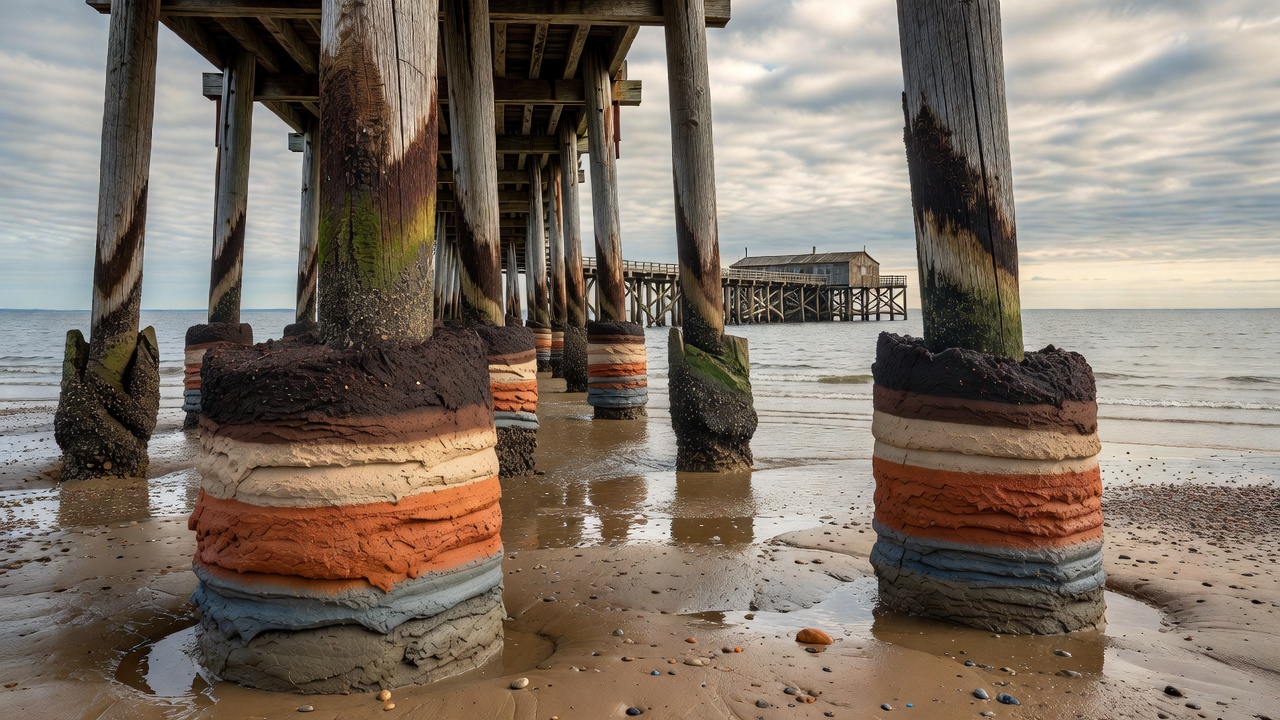
Tidal cycles combine with seasonal wind patterns and precipitation levels to reshape the layers of sand, silt, and clay that accumulate against pier pilings, and experts measure these changes using sediment traps along with bathymetric surveys. In temperate regions winter months deliver higher river outflows that carry additional material into harbors while stronger northerly winds generate waves capable of redistributing coarser grains away from structure bases. Summer brings reduced flow and lighter breezes that permit organic matter and finer sediments to build up once more creating distinct seasonal strata visible in core samples.
Those who've examined cores extracted from sites in North America and Europe note clear banding that corresponds to wet and dry seasons, and the thickness of each band reflects the strength of the preceding weather events. Precipitation records correlate directly with deposition rates during spring thaws whereas storm frequency during autumn determines how much material gets removed from the immediate vicinity of the piers.
Regional Observations and Data Trends
Studies conducted along the Pacific coast of the United States indicate that sediment loss around older pier structures peaks between November and February while redeposition dominates from May through August, according to findings published by the US Geological Survey. Similar patterns appear in data gathered from Australian harbors where researchers from Geoscience Australia documented comparable seasonal layering around nineteenth-century wharves during extended monitoring campaigns. These observations demonstrate that although local conditions differ the underlying seasonal rhythm remains consistent across hemispheres.
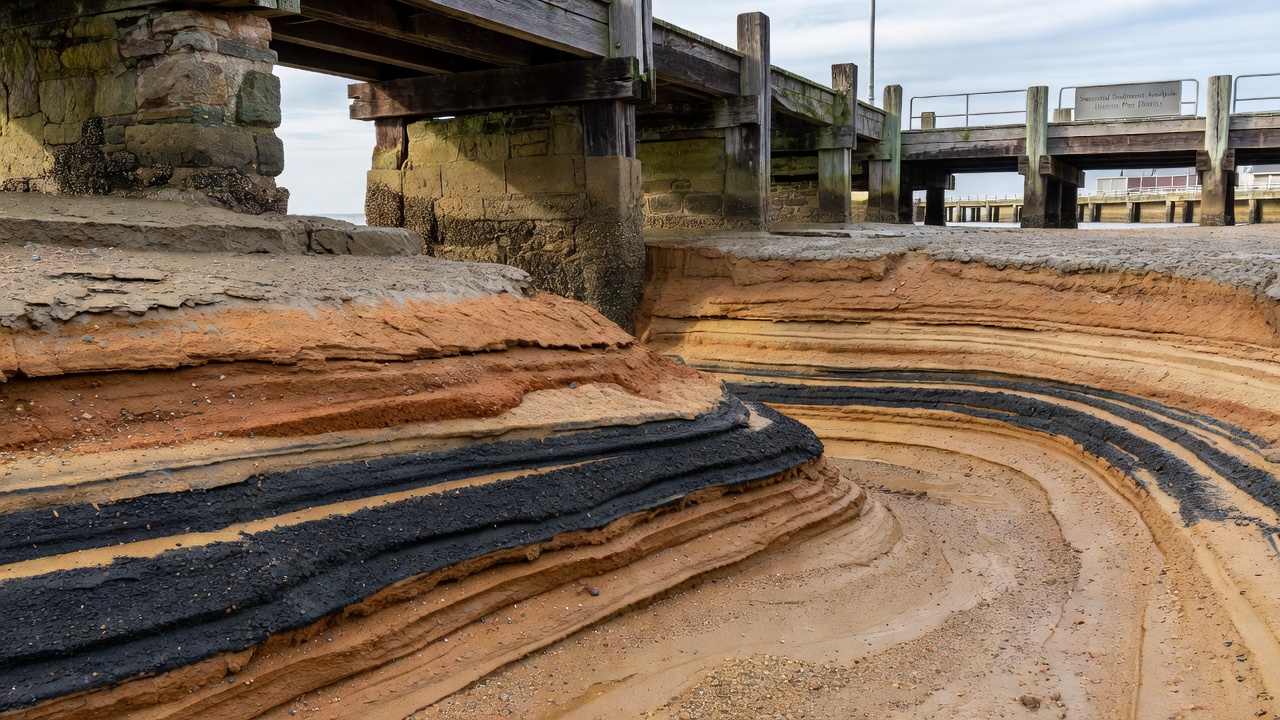
Monitoring equipment installed at several historic sites captured elevated suspended sediment concentrations during September 2026 following a series of late-summer storms that affected multiple coastlines simultaneously. The resulting measurements revealed accelerated scouring around exposed pilings compared with the same period in prior years, and analysts attributed the difference to increased wave heights recorded by nearby buoys. Such events underscore how individual seasons can deviate from long-term averages while still fitting within broader cyclical trends.
Monitoring Methods and Preservation Insights
Engineers and coastal scientists employ a combination of diver inspections, acoustic profiling, and sediment coring to document layer changes around pier bases, and the resulting datasets help authorities plan maintenance schedules that account for natural erosion cycles. Regular sampling shows that protective aprons of larger stone or concrete can reduce winter scour yet still allow summer deposition to occur in a controlled manner. In regions where historic structures receive protection status these measurements also inform decisions about when intervention becomes necessary to prevent undermining of load-bearing elements.
Records maintained by harbor authorities in Canada and along the Baltic Sea further illustrate that sediment budgets shift measurably between quarters, with net accumulation often occurring during the second and third quarters of the calendar year. These patterns influence both the structural integrity assessments and the ecological conditions that develop in the immediate vicinity of the piers, because each new layer creates different habitats for benthic organisms.
Conclusion
Seasonal sediment dynamics around historic waterfront pier bases follow predictable rhythms driven by weather, tides, and regional hydrology, and continued monitoring provides the factual basis for managing these structures over decades. Data collected across multiple continents confirm that winter removal and summer deposition represent the dominant annual cycle, while occasional extreme events can produce temporary deviations that still resolve within the longer pattern. Preservation efforts therefore rely on understanding these natural processes rather than attempting to halt them entirely.